
Heartworm Disease. Prevention is Safer Than Cure.
Authored by Dr. Mark Tonzing & Dr. Romilly Haslam
Heartworm (Dirofilaria immitis) is a devastating parasitic infection spread by mosquitoes. In Brisbane's sub-tropical climate, the threat is present all year round.
Once transmitted into your dog's bloodstream, microscopic larvae mature into foot-long worms that colonize the pulmonary arteries and the right side of the heart. Left unchecked, heartworm causes progressive cardiovascular failure, severe lung damage, and ultimately death.
Treatment for an active adult infection is complex, expensive, and physically arduous for your pet. Consistent prevention remains unequivocally the safest and most effective choice. This guide outlines how the disease operates, the critical signs to monitor, and our recommended year-round prevention protocols for local pet owners.
Why Brisbane Pets Are at Risk Year-Round
Be Brisbane's warm temperatures and abundant rainfall provide an ideal environment for mosquito breeding all year round. The abundant creeks and leafy gullies of our western suburbs are perfect mosquito habitats, making local dogs particularly vulnerable to heartworm transmission.
It takes only one bite from a single infected mosquito to deposit microscopic larvae into your dog's bloodstream, initiating a hidden, progressive countdown to cardiovascular disease.
1. Infection Source
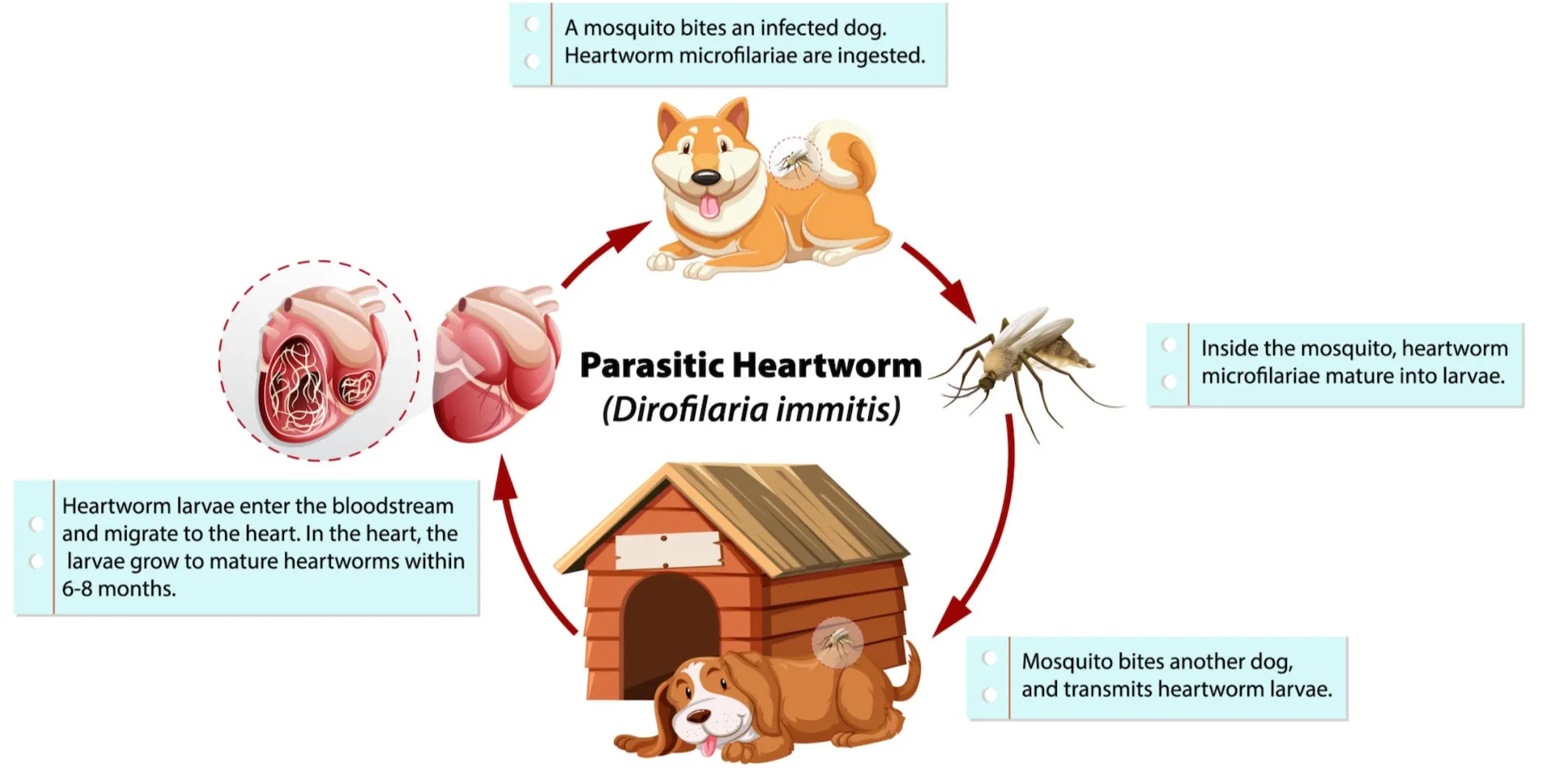
A mosquito bites an infected host and ingests microfilariae. Over 2 to 3 weeks, these develop into infective larvae inside the insect.
2. Tissue Migration
When the mosquito feeds again, the larvae enter your dog's skin, migrating through tissues for several months before entering the bloodstream.
3. Pulmonary Colonization
Worms arrive in the pulmonary arteries and right heart chambers, reaching lengths up to 30 cm in length and mechanically obstructing blood flow.
Heartworm Life Cycle
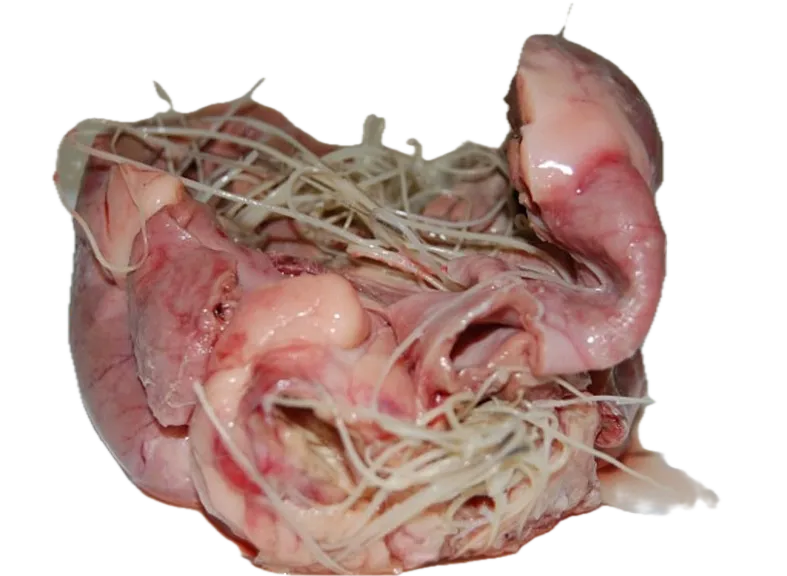
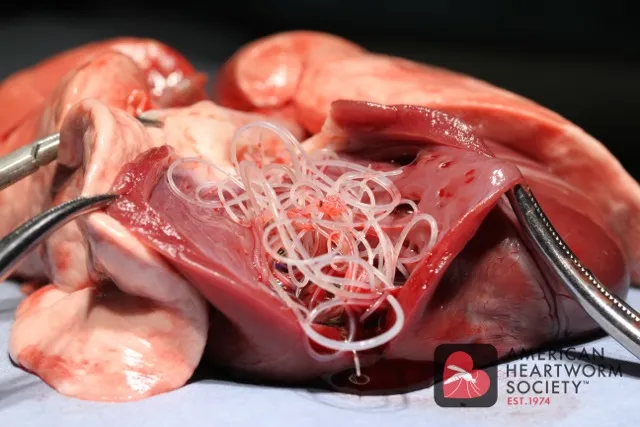
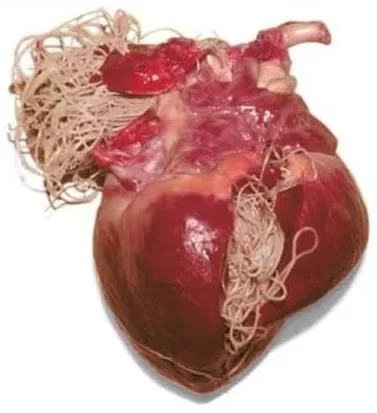
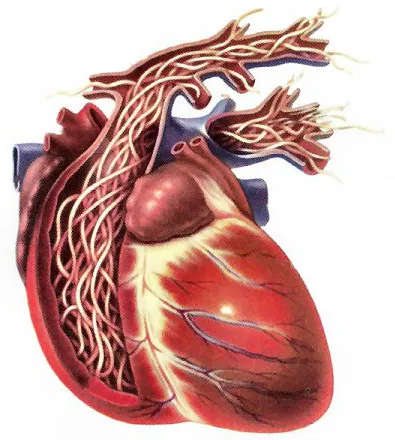
Heartworms In Situ: Inside the Canine Heart
Visualizing adult heartworms in situ demonstrates why veterinary teams emphasize prevention above all else.
Right-Sided Heart Failure
As adult worms physically clog pulmonary vessels, the right heart must pump with greatly increased pressure. Over time, the heart muscle thickens and fails, leading to fluid backup in the abdomen (ascites) and liver congestion.
Caval Syndrome
In massive infestations, worms can slip back through the tricuspid valve into the right atrium and vena cava, creating acute circulatory collapse that requires emergency surgical extraction.
Clinical Signs: What to Watch For
In the early stages of heartworm disease, dogs often show zero outward signs. As the worm burden increases and cardiovascular strain builds, symptoms gradually emerge.
Class 1: Early / Asymptomatic
Dogs often show no outward signs at all, or only an occasional mild, intermittent dry cough.
Routine antigen screening catches infections during this quiet phase before permanent cardiovascular remodeling occurs.
Class 2: Moderate Fatigue
A persistent cough becomes more prominent during or after physical exertion as lung vessels start to clog.
Pets tire rapidly during walks, showing noticeable reluctance to engage in play sessions they previously enjoyed.
Class 3 & 4: Advanced Heart Failure
- Respiratory Distress: Labored breathing and chronic coughing, occasionally blood-tinged.
- Condition Loss: Marked weight loss, muscle wasting, and dull coat.
- Ascites: Pot-bellied abdominal fluid accumulation resulting from heart failure.
Your Prevention Pathway
Simple steps to keep your dog fully protected all year round.
Initial Blood Test
If your puppy is over 6 months old or if prevention has lapsed, a quick blood test is required to confirm the dog is heartworm-free before starting meds.
Choose Your Method
Select between the annual moxidectin SR-12 injection administered by our vets or reliable monthly chewable tablets.
Maintain Consistency
Stick rigorously to your schedule. Prevention is safe, highly effective, and avoids the complex, high-risk treatment required for active infections.
Testing & Prevention Pathway
1. Pre-Treatment Antigen Screening
We utilize rapid in-clinic ELISA blood tests detecting adult female heartworm proteins.
Safety Warning for Lapsed Prevention
If your dog is over 6 months old with an unknown or lapsed history, blood testing is mandatory prior to starting preventatives. Administering macrocyclic lactones to an infected dog can trigger a severe microfilarial die-off reaction.
2. Prevention Options
Moxidectin SR-12 Annual Injection
Our recommended gold standard. Administered in-clinic, this sustained-release injection provides continuous 12-month protection, eliminating human error or forgotten monthly pills.
Monthly Chewable Treatments
Oral options (such as all-in-one parasite chews) are highly effective when administered strictly every 30 days without interruption.
Frequently Asked Questions
Why is year-round heartworm prevention necessary in Brisbane?
Brisbane's warm, humid climate and sub-tropical environment support active mosquito populations throughout the entire year. Because mosquitoes act as the vector for Dirofilaria immitis, continuous prevention prevents gaps in immunity.
Why must dogs be tested before starting heartworm prevention?
If a dog has an undetected adult heartworm infection and is given preventative medication, killing the microfilariae rapidly can trigger a severe, potentially fatal anaphylactic or shock-like hypersensitivity reaction.
What is the difference between monthly chews / tablets and the annual injection?
While monthly chews require strict 30-day dosing, the annual heartworm injection is given by our veterinarians in-clinic—eliminating the risk of missed doses or unnoticed vomiting. It is significantly more effective in areas with known parasite resistance and provides up to 90 days of "reach-back" protection, so even if a couple of monthly doses were previously missed, your dog remains protected once injected.
What is the difference between Afilaria SR-12 and ProHeart SR-12 injections?
Both formulations are therapeutically equivalent sustained-release moxidectin microsphere suspensions (100 mg/g), differing solely by manufacturer. They provide 12 months of uninterrupted heartworm prophylaxis alongside an extended 90-day reach-back period, compared to the conventional 30-day curative window provided by monthly preventatives.
Can indoor dogs get heartworm disease?
Yes. Mosquitoes routinely find their way indoors through open doors, windows, or screens. A single bite from an infected mosquito is enough to transmit heartworm larvae, making continuous prevention essential even for strict indoor pets.
Can cats contract heartworm disease?
Yes. While cats are atypical hosts, even a single adult worm can cause severe respiratory distress known as Heartworm Associated Respiratory Disease (HARD) and sudden death. Safe preventative topicals are available. Additonally, if a cat is infected, there is no approved drug therapy to safely kill adult heartworms in cats.
Safe preventative topicals are available and recommended.
Book Your Pet's Heartworm Check Today
Ensure your dog or cat is fully protected against heartworm. Contact Bardon Veterinary Hospital to schedule your prevention review or annual Moxidectin SR-12 injection.